
Iqama Renewal Fee in Saudi Arabia: The Ultimate Guide 2026
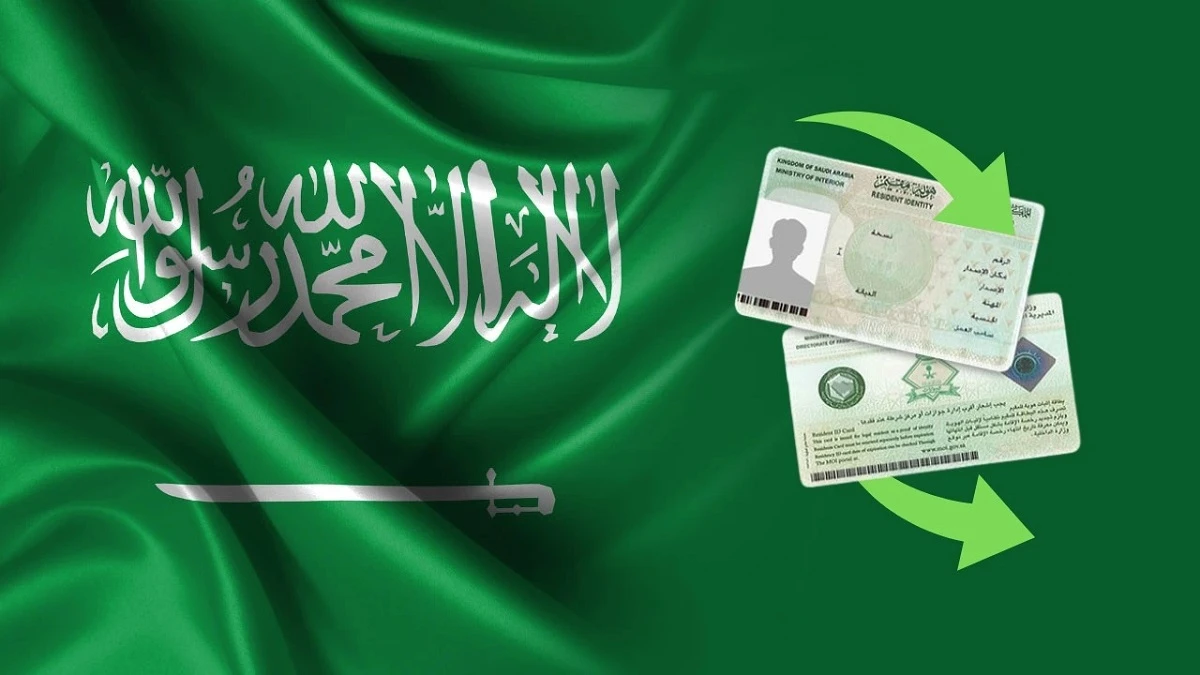
The Iqama renewal fee in Saudi Arabia is one of the most important concerns for expatriates living and working in the Kingdom. Every year, millions of foreign workers must renew their Iqama to maintain legal residency. With recent updates effective from January 1, 2026, several service charges have changed, and new fees now apply to specific transactions.
In this comprehensive guide, we explain the latest Iqama renewal fee structure, additional government charges, Maktab Amal costs, dependent fees, insurance requirements, and the step-by-step renewal process. Our goal is to provide clarity so that expats and employers can plan their finances and avoid penalties.
Understanding the Iqama Renewal Fee in Saudi Arabia
Before discussing the updated amounts, we must understand what the Iqama represents. The Iqama is the official residence permit issued to expatriates by Saudi authorities. It allows foreign nationals to live and work legally in the Kingdom.
Renewing the Iqama is mandatory before its expiry date. Failure to renew it can result in fines, suspension of services, or even deportation.
The total Iqama renewal fee in Saudi Arabia includes several components:
- Government renewal fee
- Maktab Amal (Labor Office) fee
- Dependent fee (if applicable)
- Medical insurance
- Absher service charges
Each component contributes to the overall renewal cost.
Latest Additional Service Fees (Effective January 1, 2026)
Saudi Arabia has introduced new charges for certain electronic services. These fees apply in addition to the standard Iqama renewal costs.

Updated Service Charges
The following fees are now applicable:
| Service | Fee (SAR) |
|---|---|
| Exit and Re-Entry Visa Extension | 103.50 |
| Iqama Renewal Service Charge | 51.75 |
| Issuing New Iqama | 51.75 |
| Final Exit Visa | 70 |
| Naqal Maloomat (Information Transfer) | 69 |
| Employee Report Request | 28.75 |
Previously, Naqal Maloomat was free. Now, a charge of SAR 69 applies. These fees are mainly related to value-added services provided through government digital platforms such as Absher.
Current Iqama Renewal Fee Breakdown
Let us now examine the main components that make up the Iqama renewal fee in Saudi Arabia.
1. Iqama Renewal Government Fee
- Standard renewal fee: SAR 650 per year
This is the base amount required to renew an employee’s Iqama.
2. Maktab Amal Fee (Labor Office Fee)
- Annual fee: SAR 9,600
This is one of the largest cost components. The Maktab Amal fee is paid by the employer for each foreign worker. In some cases, companies may deduct it from employee benefits, depending on contract terms.
3. Dependent Fee
- SAR 4,800 per dependent annually
If an expat sponsors family members, this fee applies to each dependent, including spouse and children.
4. Medical Insurance
- Approximate cost: SAR 500 per person
Health insurance is mandatory for Iqama renewal. Without valid insurance, the renewal process cannot proceed.
5. Absher Platform Service Fee
- SAR 51.75
This fee applies for certain electronic transactions conducted via Absher.
Total Estimated Iqama Renewal Cost
To better understand the financial impact, let us calculate a sample scenario.
Example Calculation
For a married worker with one child:
- Iqama Renewal Fee: SAR 650
- Maktab Amal Fee: SAR 9,600
- Dependent Fee (2 dependents): SAR 9,600
- Insurance (3 persons): SAR 1,500
- Absher Fee: SAR 51.75
Estimated Total:
Approximately SAR 21,401.75 annually
This example shows why proper budgeting is essential.
What Is Included in the Maktab Amal Fee?
Many expats ask why the Maktab Amal fee is so high. This fee is designed to regulate the labor market and encourage the employment of Saudi nationals.
The Labor Office categorizes companies based on Saudization levels. Companies with lower compliance may pay higher fees.
Key points:
- Paid annually per foreign worker
- Paid by employer
- Affects company classification
Employees should confirm with their HR department about payment responsibility.
Step-by-Step Iqama Renewal Process
Renewing the Iqama has become easier due to digital services. Most employers complete the process through the Absher or Muqeem platform.
Step 1: Verify Insurance
Ensure medical insurance is valid and active.
Step 2: Pay Government Fees
Fees are usually paid through SADAD via online banking.
Step 3: Check Traffic Violations
All outstanding traffic fines must be cleared before renewal.
Step 4: Submit Renewal Request
Employers submit the renewal application through Absher or Muqeem.
Step 5: Receive Confirmation
Once approved, the Iqama status updates electronically.
Penalties for Late Iqama Renewal
Timely renewal is critical. Saudi law imposes penalties for delays.
- First delay: SAR 500 fine
- Second delay: SAR 1,000 fine
- Third delay: Deportation
We strongly recommend starting the renewal process at least one month before expiry.
Exit and Re-Entry Visa Charges
Many expats travel frequently. Understanding visa-related charges is equally important.
Updated Fees:
- Exit & Re-entry extension: SAR 103.50
- Final Exit Visa: SAR 70
These charges apply when processing visa services digitally.
Always ensure the Iqama remains valid during travel.
Naqal Maloomat Fee Explained
Naqal Maloomat refers to updating or transferring personal information in government records.
Previously free, it now costs SAR 69. This may apply when:
- Updating passport details
- Changing sponsor information
- Correcting personal data
Keep documents accurate to avoid repeated charges.
Dependent Fee: Financial Planning for Families
The dependent fee significantly increases annual expenses.
For example:
| Number of Dependents | Annual Fee (SAR) |
|---|---|
| 1 | 4,800 |
| 2 | 9,600 |
| 3 | 14,400 |
Families must plan carefully before sponsoring dependents.
Some employers offer family sponsorship benefits. Always check your employment contract.
Role of Absher in Iqama Renewal
The Absher platform provides digital services for residents and citizens. It offers:
- Iqama status checks
- Visa applications
- Reporting services
- Dependent management
Recent updates include additional services, such as reporting absconding cases for visitors.
However, certain services now include additional charges.
FAQs About Iqama Renewal Fee in Saudi Arabia
1. Who pays the Iqama renewal fee?
Generally, the employer pays the government fee and Maktab Amal fee. However, contract terms may vary.
2. Can I renew my Iqama myself?
Employees cannot renew directly. The employer must process it.
3. What happens if insurance is expired?
Renewal will be blocked until valid insurance is activated.
4. Can dependents stay if the fee is unpaid?
No. Dependent fees must be paid to maintain legal status.
Practical Tips to Reduce Financial Stress
We recommend the following strategies:
- Confirm renewal dates early
- Maintain valid insurance throughout the year
- Clear traffic fines promptly
- Discuss payment responsibilities with employer
- Budget monthly instead of annually
Planning ahead prevents unexpected financial burdens.
Key Changes in 2026: What Expats Must Know
The most significant changes include:
- Introduction of service charges for digital transactions
- New fee for Naqal Maloomat
- Additional platform-based charges
While the base Iqama renewal fee remains SAR 650, overall costs may increase due to added services.
Final Thoughts on Iqama Renewal Fee in Saudi Arabia
The Iqama renewal fee in Saudi Arabia is more than just a single payment. It is a structured system involving multiple charges. Understanding each component helps us avoid confusion and unexpected expenses.
With new fees introduced in 2026, staying informed is essential. Expats must monitor official announcements, coordinate with employers, and plan finances wisely.
Renewing the Iqama on time ensures legal residency, uninterrupted employment, and peace of mind. By understanding the updated fee structure, we can manage our responsibilities confidently and continue building our future in Saudi Arabia.
Also read: Saudi Arabia E-Visa System: New Application Guide 2026