
Winter Travel in Pakistan: Your Ultimate Safety Guide
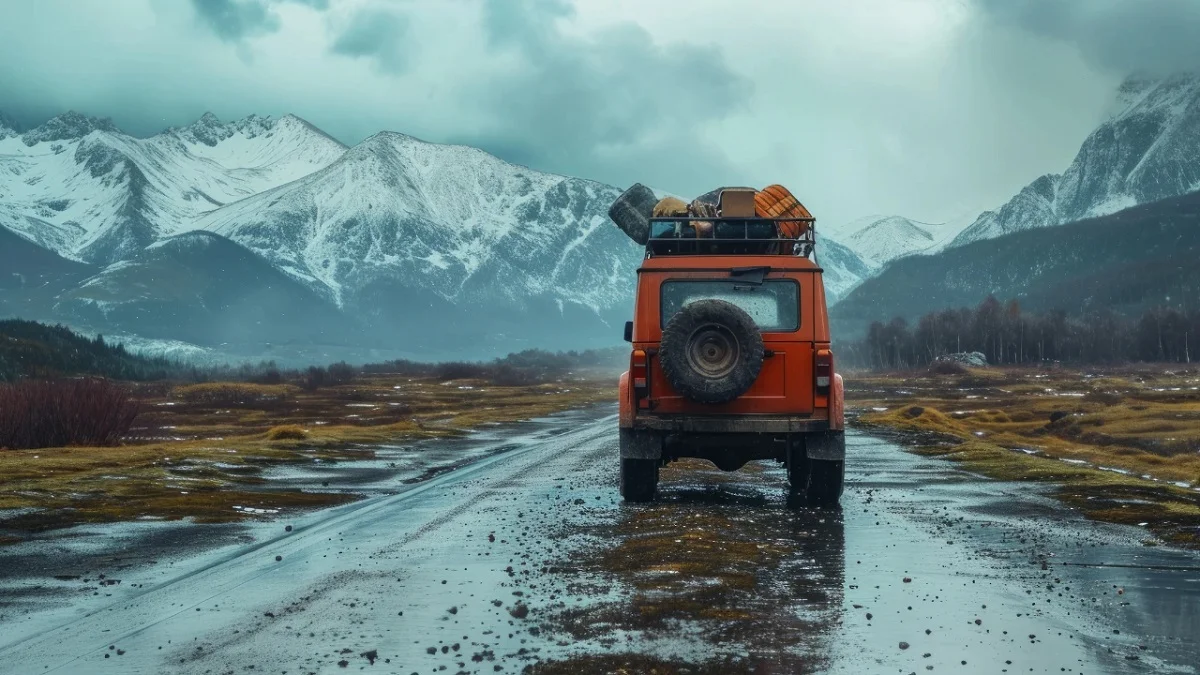
Winter transforms Pakistan into a breathtaking spectacle of snowy peaks, frozen lakes, and misty valleys. From the serene beauty of Hunza to the snow-covered slopes of Malam Jabba, the country becomes a dream destination for travelers seeking winter magic. However, winter travel in Pakistan also brings serious risks such as slippery roads, sudden snowstorms, avalanches, landslides, and extreme temperatures. Because of this, we must prepare thoroughly, travel wisely, and understand every safety measure before hitting the road.
This comprehensive guide winter travel in Pakistan offers a complete travel safety checklist for Pakistan. It provides strategic insights, expert-level advice, practical tips, and detailed information that goes far beyond standard guidance. It helps ensure you travel confidently, safely, and fully prepared for any winter challenge.
Why Winter Travel in Pakistan Requires Careful Planning
Winter in Pakistan is beautiful but unpredictable. Weather changes rapidly in northern regions, and road conditions can shift within hours. Yet, with proper planning, you can enjoy a spectacular and safe journey. We focus on safety, preparation, and informed decision-making so you can protect yourself, your companions, and your vehicle during your winter travel in Pakistan.

Also read: Best Day Hiking Gear for Families: Complete Trail Setup Reviewed
1. Check and Monitor Weather Forecasts Carefully
Weather conditions in winter can shift unexpectedly. Therefore, constant monitoring is essential.
Why Weather Forecasting Matters
Sudden snowfall can block major highways like the Karakoram Highway, Naran-Babusar road, or Swat Expressway. Additionally, fog often reduces visibility across Punjab’s motorways, increasing the risk of accidents.
How to Stay Updated
- Check reliable weather apps three days before departure.
- Monitor updates from NDMA, PDMA, Motorway Police, and district administrations.
- Follow local travel groups for real-time alerts.
- Re-check the forecast every few hours on the day of travel.
When to Delay Your Trip
Avoid traveling if:
- Heavy snowfall is predicted.
- Avalanches or landslides are expected.
- Motorways issue fog or closure notifications.
- Local authorities block routes for clearance.
Also read: Best Winter Car Kits for Cold Climates: Complete Buying Guide
2. Ensure Your Vehicle Is Fully Prepared for Winter Roads
Your vehicle’s condition determines your safety. Winter travel in Pakistan involve steep climbs, sharp turns, black ice, and slippery surfaces.
Complete Vehicle Inspection Checklist
We recommend a professional mechanic inspects your vehicle before departure. Key areas include:
Engine & Fluids
- Ensure engine oil is suitable for low temperatures.
- Check coolant levels and antifreeze concentration.
- Confirm brake fluid and clutch fluid levels.
- Inspect for leaks or abnormal engine sounds.
Battery Health
Cold weather drains batteries faster. Verify:
- Battery health report.
- Charging capacity.
- Terminal cleanliness.
Tyres and Traction Support
Tyres directly affect road grip. Always:
- Check tyre tread depth.
- Ensure tyres are properly inflated.
- Keep a spare tyre in perfect condition.
Lighting & Visibility
Visibility drops sharply in fog and snowfall. Confirm:
- Fog lamps are installed and functional.
- Headlights are aligned.
- Wipers are new and water jets work smoothly.
Also read: Best Camping Kits Under $100, $200, and $500 for 2026
3. Install Snow Chains When Driving in High Snowfall Areas
Snow chains greatly improve tyre grip on icy slopes. They help prevent sliding during climbs or descents.
Where Chains Are Essential
- Malam Jabba
- Naran (in December)
- Murree and Galiyat after snowfall
- Kalam Valley
- Shogran, Siri Paye, and Kaghan
- Skardu’s shaded slopes
Tips for Using Snow Chains
- Practice installing them at home before traveling.
- Install chains on the front tyres for FWD cars.
- Install on rear tyres for RWD vehicles.
- Remove chains after leaving snowy surfaces to avoid tyre damage.
Also read: Best Car Emergency Kits of 2026: Roadside Safety Reviewed
4. Learn How to Handle Skidding and Slippery Roads
Skidding is common on black ice and frozen slopes.
What To Do During a Skid
- Stay calm and avoid sudden braking.
- Release the accelerator to regain traction.
- Steer gently in the direction of the skid.
- Use low gears during descents.
- Maintain slow, steady speeds at all times.
Additional Safe Driving Practices
- Avoid overtaking in snow-affected areas.
- Drive with headlights and fog lamps on.
- Keep distance from the vehicle ahead.
- Follow local drivers familiar with the road conditions.
Also read: Best Bug Out Bags of 2026: Emergency Preparedness Reviewed
5. Book Accommodation Before Traveling
Winter tourism peaks in northern Pakistan. Hotels often fill quickly, especially during snowfall days.
Why Advance Booking Matters
- Prevents last-minute accommodation issues.
- Ensures availability of heated rooms.
- Helps secure safe parking spaces.
- Protects you from overpricing during peak rush days.
Smart Booking Tips
- Call the hotel to confirm road conditions.
- Select accommodations near main roads.
- Prefer hotels with generators or backup heating systems.
- Save hotel location offline for areas with poor networks.
6. Pack Smart and Light With Winter-Specific Essentials
Packing influences comfort, mobility, and safety. Winter gear is heavier, so choose wisely.
Essential Winter Clothing
- Thermal innerwear
- Waterproof jackets
- Fleece layers
- Gloves, caps, and scarves
- Wool socks
- Waterproof shoes with strong grip
Personal Care Items
- Moisturiser and sunscreen
- Lip balm
- Hand warmers
- Medication for flu, fever, or headaches
Tech Essentials
- Power banks
- Fast chargers
- Car mobile charger
- Offline maps
Travel Accessories
- Flashlight
- Hot water bottle or thermos
- First-aid kit
- Quick snacks and water bottles
Also read: Best Family Camping Kits of 2026: Complete Buying Guide
7. Carry a Winter Travel Safety Kit
A winter safety kit protects you in emergencies. Many travelers overlook this step, but it can save lives during road closures or breakdowns.
Recommended Safety Kit Items
- Snow chains
- Jumper cables
- Shovel for clearing snow
- Tow rope
- Ice scraper
- Portable tyre inflator
- Emergency blankets
- Reflective warning triangle
- High-visibility jacket
Also read: 13 Must Have Road Trip Essentials For Long Drive: Check Now!
8. Learn the Local Road Rules and Seasonal Guidelines
Northern Pakistan operates under seasonal travel regulations. Understanding these helps avoid fines or unnecessary delays.
Common Regulations
- Chains mandatory after heavy snowfall.
- Roads close for clearance without notice.
- Jeep-only tracks restrict cars for safety.
- Certain routes operate only during daylight.
9. Choose the Safest Travel Routes in Winter
Some routes remain safer during winter due to better maintenance and quicker snow clearance.
Recommended Safer Routes
| Region | Safer Winter Route | Why It’s Better |
|---|---|---|
| Swat | Swat Expressway | Quick access, fast clearance |
| Hunza | Karakoram Highway (KKH) | Wider road, fewer blind curves |
| Murree | Expressway | Less slippery than old Murree Road |
| Naran/Kaghan | Closed in peak winter | Snowfall and avalanches |
10. Manage Fuel Wisely and Refill Frequently
Fuel pumps become scarce in remote areas, especially after snowfall.
Fuel Strategy
- Refill whenever your tank reaches half.
- Avoid entering remote valleys with low fuel.
- Keep extra petrol only in approved metal cans.
- Do not drive with an empty reserve in freezing weather.
11. Prepare for Low Temperatures and High Altitudes
Extreme cold can affect your health. High altitudes also bring breathing challenges.
Common Risks
- Hypothermia
- Frostbite
- Altitude sickness
- Dehydration
How to Stay Safe
- Drink warm water regularly.
- Rest if experiencing dizziness.
- Keep extremities covered.
- Avoid overexertion at high altitudes.
12. Stay Connected and Share Your Travel Plan
Communication becomes difficult due to weak cellular networks in winter.
How to Stay Connected
- Use dual-SIM phones with Jazz and Telenor.
- Carry a small walkie-talkie set.
- Save offline maps.
- Share your travel route and hotel details with family.
13. Take Extra Care When Traveling With Children or Elderly People
Winter adds additional challenges for vulnerable travelers.
Key Considerations
- Keep extra warm layers.
- Monitor body temperature.
- Avoid long exposure to cold.
- Take frequent breaks.
14. Respect Local Advice and Road Signs
Local drivers, hotel owners, and shopkeepers understand the risks better than visitors.
Listen to Local Instructions
- Follow closure announcements.
- Trust warnings about dangerous slopes.
- Respect avalanche warning zones.
15. Emergency Preparedness During Road Blocks
Snowfall often blocks roads for hours or even days.
What To Do
- Stay inside your vehicle to retain warmth.
- Keep emergency blankets accessible.
- Conserve battery and fuel.
- Contact authorities through helplines.
Useful Emergency Numbers
| Service | Helpline |
|---|---|
| Motorway Police | 130 |
| Rescue 1122 | 1122 |
| NDMA | Official website updates |
| Local Police | 15 |
16. Avoid Risky Tourist Behaviours
Many accidents occur due to overspeeding or ignoring safety limits.
What to Avoid
- Off-road driving without 4×4 vehicles.
- Standing on frozen lakes.
- Hiking in snow without gear.
- Driving during heavy snowfall.
- Parking on slopes.
17. Choose the Right Time for Your Winter Travel in Pakistan
Timing matters significantly for winter routes.
Best Travel Hours
- 9 AM to 3 PM
This window offers maximum visibility and safer temperatures.
Worst Travel Hours
- Early morning due to black ice.
- After sunset due to fog and freezing.
18. Extra Tips for a Safer and Enjoyable Winter Travel in Pakistan
- Keep cash because ATMs often freeze or run out of cash.
- Prefer local drivers for steep or icy routes.
- Always keep an extra day in your itinerary.
- Never depend solely on Google Maps in remote areas.
- Carry photocopies of CNIC and vehicle documents.
Conclusion (Winter Travel in Pakistan)
Winter travel in Pakistan offers unforgettable experiences, from snow-covered mountains to peaceful frozen valleys. However, these journeys demand thoughtful preparation, responsible planning, and continuous awareness. We must ensure our vehicle is ready, our safety kit is complete, and our route is well researched. Additionally, we must stay updated with weather reports, follow local guidance, and travel only when conditions are safe.
With the right precautions, winter trips become safe, enjoyable, and deeply memorable. Preparation is your strongest shield against all winter travel risks in Pakistan.