
How to check SIMAH credit score in Saudi Arabia?
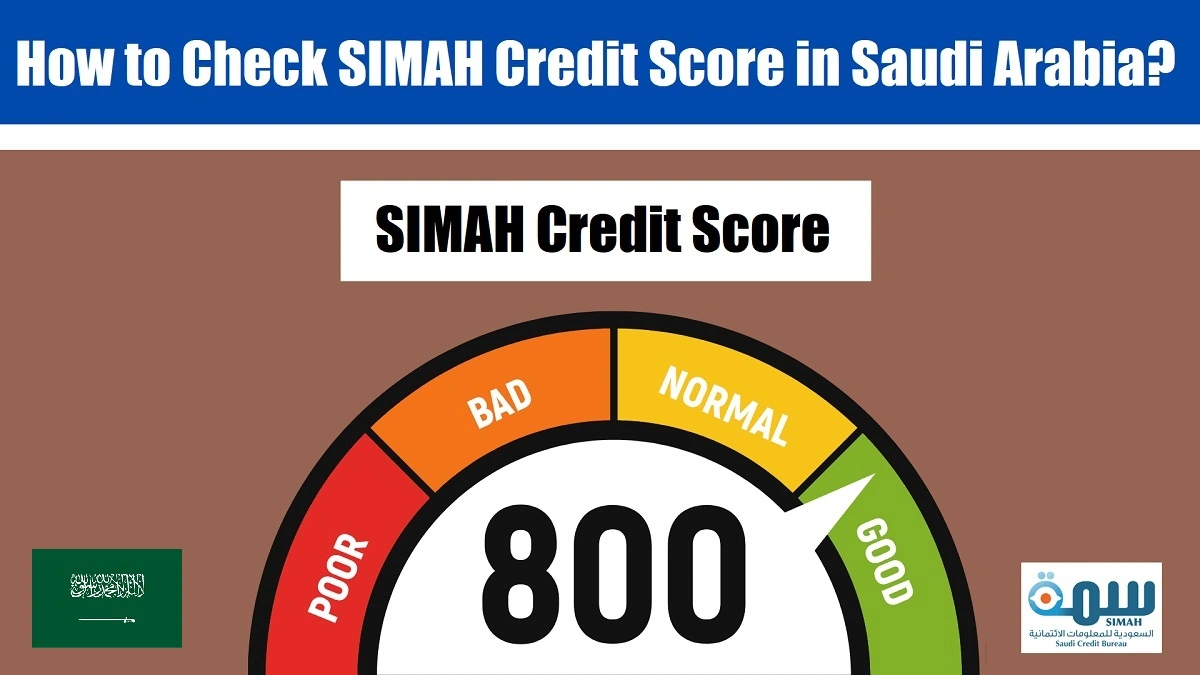
The SIMAH credit score check in Saudi Arabia is a vital financial step for anyone living and working in the Kingdom. Whether we plan to apply for a personal loan, car lease, credit card, or home financing, our credit profile plays a central role in the approval process. Financial institutions rely heavily on our SIMAH record to measure our repayment behavior and financial discipline.
In Saudi Arabia, credit information is maintained by Saudi Credit Bureau (SIMAH), the official credit bureau licensed by the Saudi Central Bank. SIMAH collects financial data from banks, finance companies, telecom operators, and other regulated institutions. This information is analyzed and converted into a structured credit report and a three-digit credit score.
When we understand how to properly conduct a SIMAH credit score check in Saudi Arabia and interpret the results correctly, we gain control over our financial reputation. In this detailed guide, we explain every aspect in depth, from basic concepts to advanced improvement strategies.
Understanding SIMAH and Its Role in Saudi Arabia
Before performing a SIMAH credit score check in Saudi Arabia, we must clearly understand the function and importance of SIMAH in the Saudi financial ecosystem.
SIMAH serves as the central repository of credit data in the Kingdom. Every time we borrow money, use a credit card, delay a payment, or settle a loan, the relevant institution reports that activity to SIMAH. This creates a transparent and unified financial record.
SIMAH does not approve loans or make lending decisions. Instead, it provides accurate credit data to banks and lenders so they can assess our risk profile.
Why SIMAH Was Established
SIMAH was created to:
- Improve financial transparency
- Reduce default risks for lenders
- Promote responsible borrowing habits
- Strengthen the banking sector
- Protect consumers from over-indebtedness
By centralizing credit data, SIMAH ensures that no borrower can hide unpaid obligations when applying for new financing.
How SIMAH Impacts Our Daily Financial Life
Our SIMAH profile influences:
- Loan approvals
- Credit card eligibility
- Financing profit rates
- Installment plan approvals
- Mortgage processing speed
A strong profile creates financial opportunities. A weak profile limits them.
What Is a SIMAH Credit Report?
When we complete a SIMAH credit score check in Saudi Arabia, we gain access to a detailed credit report. This document contains a comprehensive record of our financial behavior over time.
The credit report is more detailed than the credit score. While the score summarizes our creditworthiness in one number, the report shows the full financial picture.
It reflects how responsibly we manage credit facilities.
Core Components of a SIMAH Credit Report
| Section | What It Shows |
|---|---|
| Personal Details | Name, ID/Iqama number |
| Active Loans | Personal, auto, mortgage |
| Credit Cards | Limits and balances |
| Installment Plans | Retail and telecom financing |
| Payment History | On-time and delayed payments |
| Defaults | Overdue accounts |
| Legal Cases | Financial disputes |
| Credit Inquiries | Lenders who checked our report |
Each section contributes to our overall risk profile.
Why Lenders Study the Report Carefully
Banks analyze the report to determine:
- Whether we pay consistently on time
- How much debt we carry relative to income
- Whether we frequently seek new credit
- If we have past defaults or unresolved disputes
Even small irregularities can affect lending decisions.
What Is a SIMAH Credit Score?
The SIMAH credit score is a three-digit number ranging from 300 to 850. It represents our overall credit health at a glance.
The score is calculated using a statistical model that evaluates our payment behavior, outstanding balances, credit usage, and other financial factors.
Higher scores indicate lower risk. Lower scores indicate higher risk.
SIMAH Credit Score Categories
| Score Range | Category | Risk Level |
|---|---|---|
| 750–850 | Excellent | Very Low Risk |
| 700–749 | Very Good | Low Risk |
| 650–699 | Good | Moderate Risk |
| 600–649 | Fair | Elevated Risk |
| 300–599 | Poor | High Risk |
What a High Score Means for Us?
- Faster loan approvals
- Lower financing profit rates
- Higher credit limits
- Better negotiating power
- Greater financial trust
What a Low Score Means?
- Loan rejection risk
- Higher profit rates
- Limited financing options
- Increased documentation requirements
Understanding our score helps us prepare before applying for financial products.
Also read: Personal Loan for Expats in Saudi Arabia: The Ultimate Guide
SIMAH Credit Score Check in Saudi Arabia: Complete Process
Performing a SIMAH credit score check in Saudi Arabia requires accessing the official Molim portal or application. SIMAH does not offer free public access to credit reports. We must purchase a package to view our score or report.
Step 1: Register on Molim
Registration is the first and most important step. It allows SIMAH to link your credit record to your identity.
What You Need Before You Begin:
- Valid National ID (for Saudi citizens)
- Valid Iqama number (for expatriate residents)
- Mobile number registered in your name
- Active email address
Why This Step Matters:
SIMAH requires accurate identification to ensure that the credit report and score belong to you. This protects your personal financial data and maintains database integrity.
How to Register:

- Open your browser and visit:
https://eservices.molim.sa/ - Click the “Register” button.
- Choose whether you are a Saudi national or an expatriate resident.
- Enter your identity details exactly as they appear on your ID/Iqama.
- Provide a working mobile number — SIMAH sends a verification SMS.
- Input your email and create a secure password.
Security Tip:
Use a unique password you don’t use on other financial sites.
Step 2: Complete Identity Verification
After you register, SIMAH performs identity verification to confirm that you are who you claim to be.
How the Verification Works:
- You will receive a verification code on your registered mobile number.
- A secure authentication service may also validate your identity against national databases.
- In some cases, you may be asked to answer additional security questions or upload a photo of your ID/Iqama.
Why Verification Is Required:
This step prevents fraud, ensures data protection, and confirms that the credit information you will receive pertains only to you.
Common Verification Challenges:
- Mismatched name between your profile and the national database
- Expired Iqama
- Incorrect mobile number
Tip:
Ensure your personal details are up-to-date with the Saudi national authority or employer records before starting this process.
Step 3: Log In to the Portal
Once your verification is successful, you can log in anytime to access your credit tools.
Logging In:
- Visit the Molim platform
- Enter your email/username and password
- Complete any two-factor authentication if prompted
- You’ll be directed to your user dashboard
What You Will See in Your Dashboard:
- Overview of financial performance
- Credit application history
- Pending requests
- Available score/report services
Pro Tip:
Bookmark the Molim login page for easier access later.
Step 4: Select Credit Report or Score
In this step, you choose exactly what you want to retrieve — a credit score, a full credit report, or both.
Inside the Dashboard:
- Look for “Credit Services” or “Request Credit Report/Score.”
- Click the option to proceed.
- You will see different service packages (score only, full report, monitoring subscriptions).
Understanding Your Options:
- Credit Score Only: Shows the 3-digit number summarizing your credit health.
- Full Credit Report: Includes detailed records like payment history, outstanding balances, and creditor names.
- Monitoring Plans: Provide continuous access and alerts on score changes.
Why This Step Is Important:
Choosing the right service helps you use your credit data wisely — whether for application preparation, dispute review, or detailed assessment.
Step 5: Choose a Package and Pay
After selecting the service you need, you must complete the payment to access the information.
Available Molim Packages:
| Package | What You Get | Approx. Price |
|---|---|---|
| Credit Score Only | Standalone score | SR 17 |
| Full Credit Report | Detailed credit report | SR 29 |
| Monthly Monitoring | Score + report updates | SR 40/month |
| Annual Monitoring | Score + report updates | SR 336/year |
How to Complete Payment:
- Choose your package
- Enter debit/credit card details
- Confirm the payment
- Wait for payment authorization
Payment Tips:
- Ensure your card is enabled for online international transactions
- Some banks may require OTP (One-Time Password) approval
Pro Tip:
If you plan to monitor your credit frequently, subscription packages may be more cost-effective than paying per request.
Step 6: Access and Download Report
Once the payment is processed, your SIMAH credit score and report become immediately available.
Viewing Your Credit Score:
- Your dashboard will display the three-digit SIMAH score
- You’ll see instant analysis, such as whether your score is weak, fair, good, or excellent
Downloading the Full Report:
- Look for a “Download Report” button
- Choose the PDF format
- Save the file on your device
- Keep a backup in secure storage
What the Report Contains:
- Full payment history
- Outstanding loans
- Credit facilities
- Score interpretation
- Active and closed accounts
- Credit inquiries
Why Keeping the Report Is Critical:
- You can use it to apply for loans
- You can compare records with bank statements
- In addition, you can spot mistakes or unauthorized entries
Pro Tip:
Keep at least one copy archived offline for future reference.
Key Factors That Affect SIMAH Credit Score
Understanding scoring factors helps us manage our financial behavior wisely.
1. Payment History
This is the most important factor. Even one missed payment can reduce the score.
2. Credit Utilization Ratio
Using too much of our credit limit signals financial stress. Ideally, usage should stay below 30%.
Example:
- Limit: SR 10,000
- Usage: SR 9,000
- Utilization: 90% (Negative impact)
3. Outstanding Debt
Large unpaid balances lower the score.
4. Length of Credit History
Older accounts reflect stability.
5. Frequency of Credit Applications
Multiple applications within a short time reduce the score.
How to Improve SIMAH Credit Score in Saudi Arabia
Improving our SIMAH score requires consistent effort and responsible financial habits.
Practical Improvement Plan
- Pay all bills before due dates
- Automate installment payments
- Reduce credit card balances
- Avoid unnecessary loan applications
- Clear overdue accounts immediately
Improvement Timeline
- Minor issues may improve within 3–6 months
- Major defaults may require 12–24 months
Patience and consistency are essential.
Common Mistakes That Lower SIMAH Score
Many people unknowingly damage their credit profile.
Mistakes to Avoid
- Ignoring small unpaid bills
- Applying at several banks simultaneously
- Missing even one installment
- Using full credit limit monthly
- Closing old credit accounts abruptly
Financial awareness prevents long-term damage.
SIMAH Credit Score for Expat Residents
Expat residents are fully included in the SIMAH system through their Iqama number.
Important considerations:
- Changing jobs does not erase credit history
- Final exit does not remove unpaid debts
- Defaults remain recorded until settled
Before leaving Saudi Arabia permanently, settling all liabilities is strongly recommended.
How Often Should We Check Our SIMAH Credit Score?
Regular monitoring helps us stay financially prepared.
Recommended times:
- Before applying for financing
- After repaying major debt
- At least once annually
Personal checks do not reduce our score.
Disputing Errors in SIMAH Report
Occasionally, errors may appear due to delayed reporting or administrative mistakes.
How to File a Dispute
- Log into Molim
- Select dispute option
- Upload supporting documents
- Await review response
Institutions must respond within regulated timeframes.
Strategic Financial Tips for Long-Term Credit Health
Maintaining a strong SIMAH profile requires proactive financial planning.
Smart Credit Habits
- Maintain emergency savings
- Keep debt-to-income ratio low
- Avoid unnecessary borrowing
- Review report annually
- Plan major loans carefully
Responsible borrowing builds long-term financial stability.
Frequently Asked Questions (FAQs)
Is SIMAH Credit Score Free?
No. Access requires purchasing a Molim package.
What Is a Good SIMAH Score?
A score above 700 is considered strong.
Does Checking My Own Score Reduce It?
No. Personal inquiries do not affect the score.
How Long Do Defaults Stay on SIMAH?
Defaults remain until settled and may stay recorded for years.
Does Salary Directly Affect Score?
Salary does not directly impact the score. Payment behavior does.
Conclusion: SIMAH Credit Score in Saudi Arabia
The SIMAH credit score check in Saudi Arabia is not just a formality. It is a critical financial management tool that determines our access to loans, credit cards, and financing opportunities in the Kingdom.
By understanding:
- How SIMAH works
- What affects our score
- How to monitor it regularly
- How to improve it strategically
We take control of our financial future.
A strong SIMAH profile reduces borrowing costs, increases approval chances, and strengthens our financial credibility. Responsible credit management today ensures financial security tomorrow.
Also read: What Happens For Leaving Saudi Arabia With Unpaid Loan?