
Pakistan Among World’s Most Unique Travel Destinations for 2026

Unique Travel Destinations: Pakistan has gained fresh international recognition after British newspaper The Telegraph included the country in its updated 2026 feature on some of the world’s last relatively unexplored travel destinations. Published on August 15, 2026, the feature praised Pakistan for its towering Karakoram mountains, Hunza Valley, dramatic road journeys, ancient history and opportunities for travelers seeking experiences away from mass tourism.
In short: Pakistan has been highlighted as one of 10 less-explored destinations worth discovering, with northern Pakistan receiving particular attention. The recognition focuses on the Karakoram mountains, Hunza Valley, Karakoram Highway, local hospitality and historic sites, showing how Pakistan can appeal to adventure, cultural and heritage travelers in 2026.
Why Pakistan Has Been Recognized as a Unique Travel Destination in 2026
The recognition is important because Pakistan is not being presented simply as another scenic holiday destination. Instead, The Telegraph places it among destinations offering a sense of exploration that is becoming harder to find in heavily visited tourism markets.
Its feature, titled The world’s last unexplored places – and how to see them before everyone else, identifies 10 accessible but still relatively little-known destinations for travelers looking beyond conventional tourism. Pakistan appears alongside destinations such as Turkmenistan, Gabon, Angola, timer-leste, Nicaragua, Guyana, Armenia, the Republic of Congo, and West Papua and Papua.
For Pakistan, the strongest attraction is the combination of three things:
- some of the world’s highest mountains and glaciers;
- ancient cultural and archaeological heritage;
- communities and landscapes that have not yet been heavily shaped by mass tourism.
That mix gives Pakistan a tourism identity that is difficult to match with a single category.
What The Telegraph Highlighted About Pakistan Unique Travel Destinations
| Attraction or Feature | What Makes It Important | Main Travel Appeal |
|---|---|---|
| Karakoram Range | Home to some of the world’s highest peaks | Adventure and mountaineering |
| Hunza Valley | Mountains, glaciers, valleys and local communities | Scenic and cultural tourism |
| Karakoram Highway | Famous high-mountain road connecting Pakistan toward China | Road trips and landscape photography |
| Local mountain communities | Traditional lifestyles and hospitality | Cultural experiences |
| Badshahi Mosque, Lahore | Major example of Mughal-era architecture | Heritage tourism |
| Ancient Indus Valley sites | Evidence of sophisticated early urban civilization | Archaeology and history |
| Silk Road heritage | Links Pakistan with historic regional trade routes | Historical and cultural tourism |
Together, these attractions show why Pakistan can appeal to very different travelers rather than only mountaineers.
Also read: Winter Travel in Pakistan: Your Ultimate Safety Guide
Pakistan’s Karakoram Mountains Take Centre Stage
Northern Pakistan received some of the strongest praise in the international feature.
The Karakoram contains an extraordinary concentration of high mountains. K2, at 8,611 metres or 28,251 feet, is the highest peak in the Karakoram and the second-highest mountain in the world. NASA notes that several other peaks above 8,000 metres are located close to K2, showing just how unusual the region’s mountain geography is.
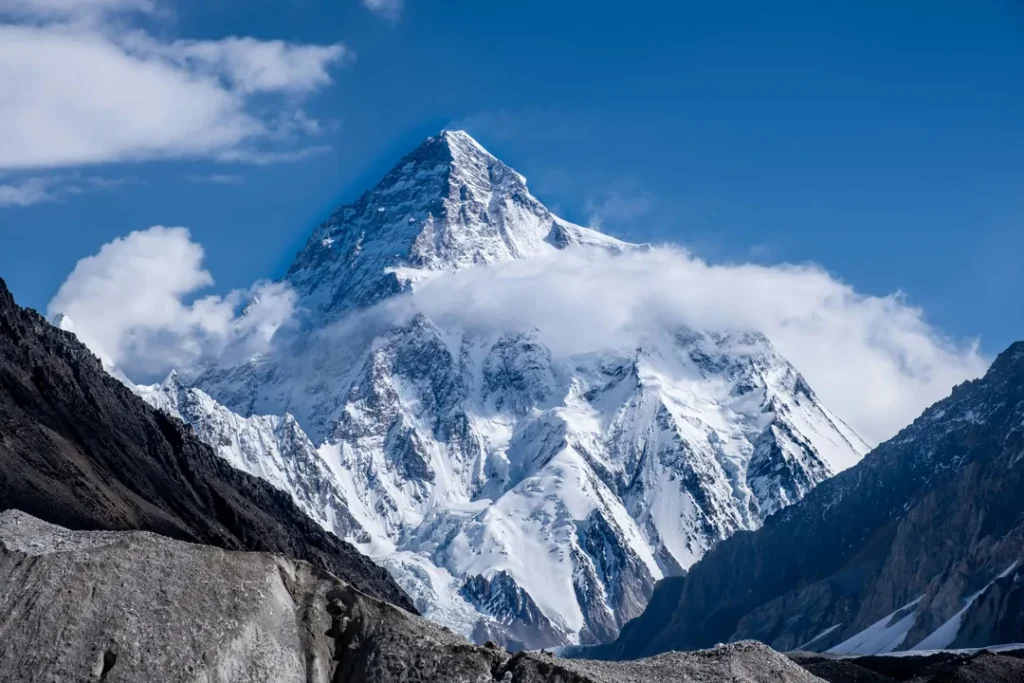
For international adventure tourism, this gives Pakistan a major advantage.
Not every visitor needs to attempt difficult mountaineering. The region can attract travelers interested in trekking, photography, glacier landscapes, camping, road journeys and mountain communities.
This is an important distinction because adventure tourism can include everything from professional expeditions to travelers who simply want to experience dramatic mountain scenery.
Hunza Valley Offers a More Accessible Northern Experience
Hunza Valley was another major focus of the 2026 recognition.
While climbing K2 requires professional mountaineering skills, Hunza offers visitors a wider range of experiences. Travelers can explore mountain scenery, valleys, glaciers, villages and cultural sites without attempting extreme high-altitude expeditions.

Popular attractions across the wider Hunza region include areas around Karimabad, Attabad Lake, Passu and the upper Hunza landscape.
The appeal is not only visual. International travelers increasingly look for experiences connected with local culture, food, traditional communities and daily life.
That gives destinations such as Hunza an opportunity to benefit from tourism while maintaining the character that makes them attractive in the first place.
Karakoram Highway Remains One of Pakistan’s Strongest Tourism Assets
The Karakoram Highway is another reason Pakistan stands out.
The road connects Pakistan towards China through some of the most dramatic mountain landscapes in Asia. The Telegraph described it as an engineering achievement and drew attention to the areas where the Karakoram, Himalayan and Hindu Kush mountain systems come together.

For travelers, the route can offer something very different from a normal motorway journey.
Instead of traveling only to reach a final destination, the road itself becomes part of the experience.
Mountain views, rivers, settlements, glaciers and changing landscapes make northern road tourism particularly attractive for photographers and adventure travelers.
However, road conditions, weather, landslides and security conditions can change. Travelers should always check the latest official information before planning a northern road journey.
Also read: Most Beautiful Places in Pakistan You Must Visit
Pakistan’s Appeal Goes Far Beyond Mountains
One of the strongest points in Pakistan’s favor is that its tourism potential does not end in Gilgit-Baltistan.
The country also has thousands of years of recorded civilization, archaeological remains, religious heritage and architecture.
Lahore and Mughal Heritage
The Telegraph highlighted Lahore’s Badshahi Mosque while discussing Pakistan’s historic attractions. Completed during the Mughal period in the 17th century, it remains one of the country’s most recognizable historical landmarks.

For international visitors, Lahore can provide a very different experience from northern Pakistan.
Instead of glaciers and mountain passes, visitors can explore architecture, traditional food, old bazaars, forts, mosques and the wider cultural character of Punjab.
This variety can help Pakistan attract tourists who may have little interest in trekking.
Mohenjo-daro Shows Pakistan’s Ancient Urban History
Pakistan’s tourism story stretches much further back than the Mughal period.
Mohenjo-daro is one of the world’s major archaeological sites from the Indus Valley Civilization. UNESCO describes the ancient city as evidence of advanced town planning, including an organized street layout as well as sanitation and drainage systems.

This gives Pakistan another important tourism strength: archaeology.
Travelers interested in ancient civilizations can explore a history dating back thousands of years, providing Pakistan with a tourism product that combines nature with education and heritage.
Taxila Connects Pakistan With the Historic Silk Road
Taxila adds another layer to this story.
UNESCO notes that Taxila was strategically positioned on a branch of the Silk Road linking China with the West and developed into an important historical and cultural centre.
This connection is especially valuable when marketing Pakistan internationally because it places the country within one of history’s most famous networks of trade and cultural exchange.
Why the 2026 Recognition Matters for Pakistan
Being included in an international travel feature can have benefits beyond positive publicity.
1. It Can Improve Pakistan’s Tourism Image
Many potential foreign visitors know relatively little about Pakistan’s tourism attractions.
Major international media coverage can introduce audiences to parts of Pakistan they may never have considered visiting.
Images and stories about Hunza, K2, Lahore and ancient civilizations help create a broader picture of the country.
2. It Can Support Local Tourism Businesses
More tourism can benefit:
- hotels and guest houses;
- restaurants and cafés;
- transport operators;
- tour guides;
- trekking companies;
- handicraft sellers;
- photographers;
- local shops;
- community-based tourism projects.
The greatest economic value comes when visitors spend money within local communities rather than only with large operators.
3. Adventure Tourism Could Become a Stronger International Market
Pakistan possesses tourism assets that cannot easily be created elsewhere.
A country can build a resort, shopping centre or amusement park, but it cannot manufacture a mountain range like the Karakoram.
Pakistan therefore has an opportunity to focus on areas where it has a natural competitive advantage: climbing, trekking, mountain tourism, road journeys and wilderness experiences.
4. Heritage Tourism Can Expand Beyond Famous Locations
Northern Pakistan often receives the most international attention, but heritage tourism can spread visitors across Punjab and Sindh as well.
Taxila, Lahore, Mohenjo-daro and other archaeological or cultural attractions can encourage travelers to stay longer and explore more than one region.
What Pakistan Needs to Do to Turn Recognition Into Tourism Growth
International praise alone does not guarantee a successful tourism industry.
For Pakistan to benefit fully, several practical areas require continued attention.
Step 1: Make Travel Information Easier to Find
Foreign visitors need clear information about:
- visas and entry requirements;
- regional travel rules;
- road conditions;
- domestic transport;
- trekking permits where required;
- accommodation;
- emergency contacts;
- seasonal weather;
- tour operators.
Pakistan Tourism Development Corporation already operates the Salam Pakistan national tourism platform, providing an official base for tourism promotion and visitor information.
Step 2: Improve Tourist Facilities Without Damaging Natural Areas
More hotels and roads can support tourism, but uncontrolled development can damage the landscapes tourists come to see.
Northern destinations especially need responsible waste management, clean public areas, controlled construction and protection of rivers, glaciers and mountain environments.
Growth should improve the visitor experience without destroying the destination’s natural character.
Step 3: Develop Professional Local Tourism Services
Training local guides, hotel workers, drivers and tourism operators can improve visitor confidence.
Small improvements such as clear pricing, digital booking options, reliable information and professional customer service can make a major difference.
Step 4: Promote Different Types of Tourism
Pakistan should not market itself only as a mountain destination.
Its tourism campaigns can separately promote:
- adventure tourism;
- cultural tourism;
- archaeological tourism;
- religious tourism;
- food tourism;
- nature tourism;
- photography trips;
- road tourism.
Different experiences attract different international markets.
Step 5: Prioritize Safety and Reliable Information
Safety remains an important consideration for international tourism.
As of August 18, 2026, the UK’s Foreign, Commonwealth & Development Office continues to advise against travel to certain parts of Pakistan and against all but essential travel to some other areas. Its advice also covers sections of Khyber Pakhtunkhwa, Balochistan and some border regions.
This does not mean every tourist destination in Pakistan carries the same level of risk. However, foreign travelers should check advisories issued by their own governments, insurance requirements and local authorities before finalizing an itinerary.
Improving security perceptions and providing accurate, updated information will remain important for converting international interest into actual visitor numbers.
Is Pakistan Suitable Only for Adventure Travelers?
No.
The 2026 feature strongly focuses on adventure, but Pakistan has options for several types of visitors.
| Type of Traveler | Possible Experience in Pakistan |
| Adventure traveler | Karakoram trekking and mountain expeditions |
| Nature traveler | Hunza, glaciers, valleys and lakes |
| History lover | Mohenjo-daro and Taxila |
| Architecture lover | Lahore’s Mughal-era landmarks |
| Cultural traveler | Local communities, food and traditions |
| Photographer | Mountain landscapes, historic cities and villages |
| Road-trip traveler | Northern mountain routes |
| Religious traveler | Islamic, Sikh and Buddhist heritage sites |
This diversity could become one of Pakistan’s biggest strengths if destinations are marketed clearly to the right audiences.
Pakistan Was Also Featured Earlier
The 2026 appearance is not completely separate from previous recognition.
The Telegraph states that its feature was first published in October 2024 and was later revised and updated, with the latest version published on August 15, 2026.
The renewed attention is still significant because it keeps Pakistan visible to international travelers at a time when many tourists are searching for less crowded and more experience-focused destinations.
Practical Tips for Travelers Planning to Explore Pakistan
Anyone planning a journey, particularly to remote northern areas, should take a few precautions.
Check weather and road conditions shortly before traveling because mountain routes can be affected by landslides, snowfall or other disruption.
Allow extra travel time instead of building a tight schedule around long mountain journeys.
Visitors going to high-altitude areas should increase elevation gradually and take altitude-related symptoms seriously.
For trekking or remote travel, using an experienced local guide can make planning, transport and communication much easier.
Foreign visitors should also confirm current visa rules, permits, travel advisories and insurance conditions before departure.
Most importantly, travelers should respect local communities, dress and traditions. The hospitality that attracts visitors to Pakistan is best protected when tourism develops responsibly.
FAQs (Pakistan Unique Travel Destinations)
Why has Pakistan been recognized as a unique travel destination for 2026?
Pakistan was included in The Telegraph’s August 15, 2026 feature on 10 relatively little-explored destinations. The publication highlighted northern Pakistan’s mountains, Hunza Valley, the Karakoram Highway, local communities and the country’s ancient cultural heritage.
Which places in Pakistan received the most attention?
Northern Pakistan received the strongest focus, particularly the Karakoram mountain region, Hunza Valley and the Karakoram Highway. Lahore’s Badshahi Mosque and Pakistan’s Indus Valley heritage were also highlighted.
Is K2 located in Pakistan?
K2 lies in the Karakoram region and rises to 8,611 metres. It is the world’s second-highest mountain and one of Pakistan’s most important international mountaineering attractions.
Is Pakistan only suitable for mountain tourism?
No. Pakistan also offers archaeological, cultural, architectural and religious tourism. Sites such as Mohenjo-daro and Taxila show that the country’s tourism potential extends far beyond its northern mountains.
What other destinations were included in The Telegraph’s list?
The feature’s 10 destination entries included Pakistan, Turkmenistan, Gabon, Angola, timer-leste, Nicaragua, Guyana, West Papua and Papua, Armenia, and the Republic of Congo.
Is Pakistan safe for foreign tourists in 2026?
Conditions vary considerably by region. Some popular tourist areas may be accessible while international governments advise against travel to specific regions or routes. Travelers should check the latest advisory from their own government, local authorities, transport operators and their travel insurance provider before traveling.
Conclusion
Pakistan’s inclusion among The Telegraph’s little-explored travel destinations for 2026 is another sign of the country’s growing visibility as an international tourism destination.
The recognition is especially valuable because it highlights more than beautiful scenery. Pakistan offers the Karakoram’s giant mountains, Hunza’s valleys and glaciers, historic road journeys, Mughal architecture, Silk Road connections and some of the world’s most important archaeological remains.
For Pakistan, the opportunity now is to turn international attention into sustainable tourism. Better visitor information, responsible development, improved tourism services, protection of heritage and natural sites, and continued attention to traveler safety can help achieve that.
If these areas improve together, Pakistan can become known not only as one of the world’s more unusual places to explore in 2026, but as a destination international travelers continue returning to for years to come.